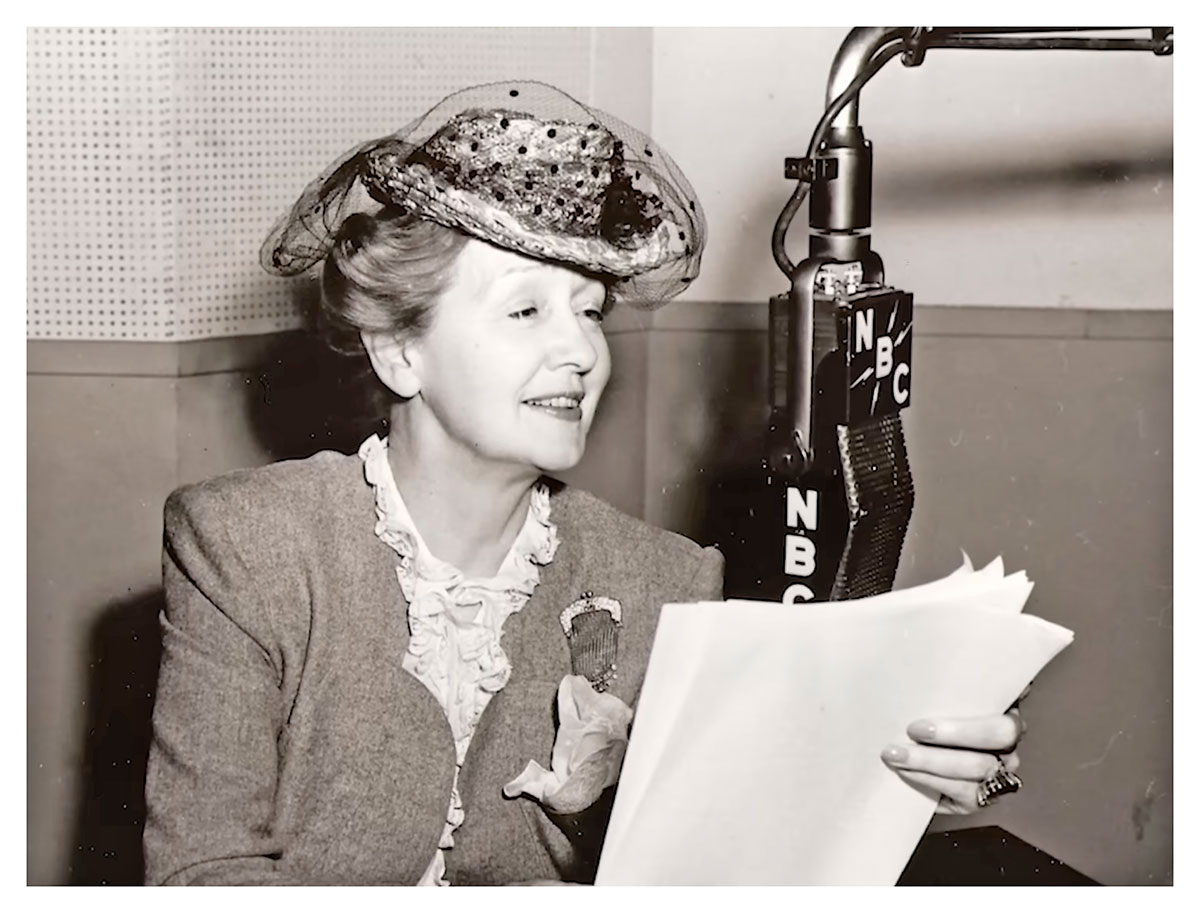
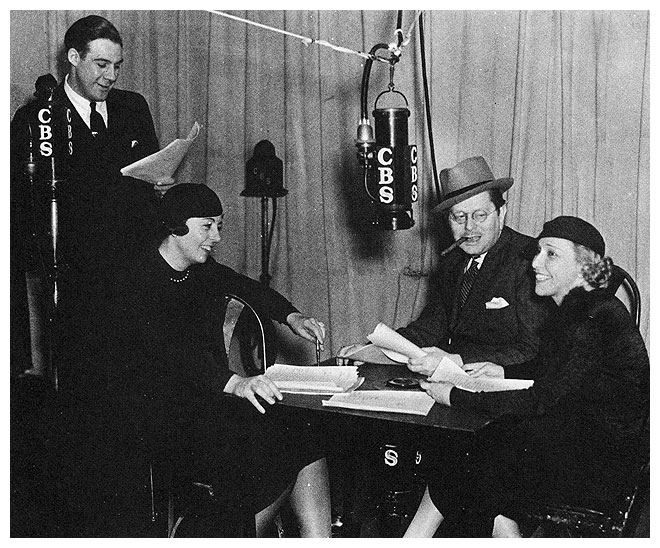
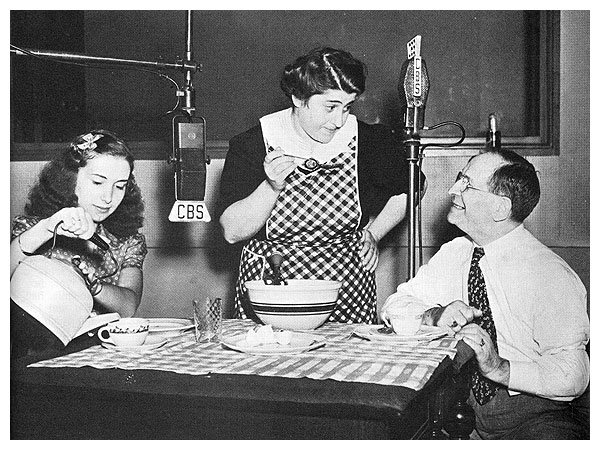
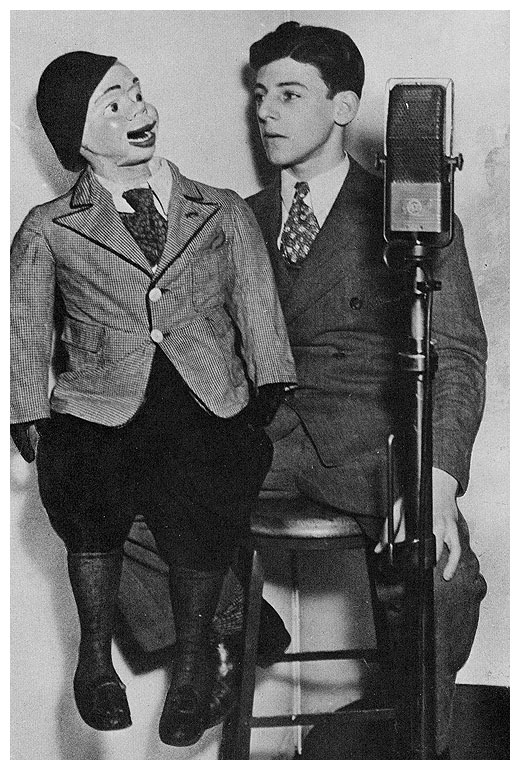
Elda Furry (June 2, 1885–February 1, 1966), known professionally as Hedda Hopper, was an American gossip columnist and actress. At the height of her influence in the 1940s, more than 35 million people read her columns. A strong supporter of the House Un-American Activities Committee (HUAC) hearings, Hopper named suspected Communists and was a major proponent of the Hollywood blacklist. Hopper continued to write her gossip column until her death in 1966. Her work appeared in many magazines and later on radio. She had an extended feud with Louella Parsons, an arch-rival and fellow gossip columnist. —Wikipedia
Perry Botkin was a composer, songwriter, guitarist, accompanist, and 17-year music supervisor for Bing Crosby. For twenty years he was associated with Al Jolson and Eddie Cantor on radio and recordings, and he was a guitarist with the orchestras of Paul Whiteman, John Scott Trotter, Victor Young, and Johnny Green. He was a guitar soloist in films and in concerts and on television. Joining ASCAP in 1950, his chief musical collaborator was Preston Foster. His song compositions include “Two Shillelagh O’Sullivan,” “Duke of the Uke,” “Ukey-Ukulele,” “Pick-A-Lili,” “Executioner Theme,” and “Waltz of the Hunter.” He composed (and sometimes performed) the background music for the first two seasons of “The Beverly Hillbillies.” Certain cues from those seasons are accredited to both Botkin and series creator Paul Henning. “Elly May’s Theme” is one such title.
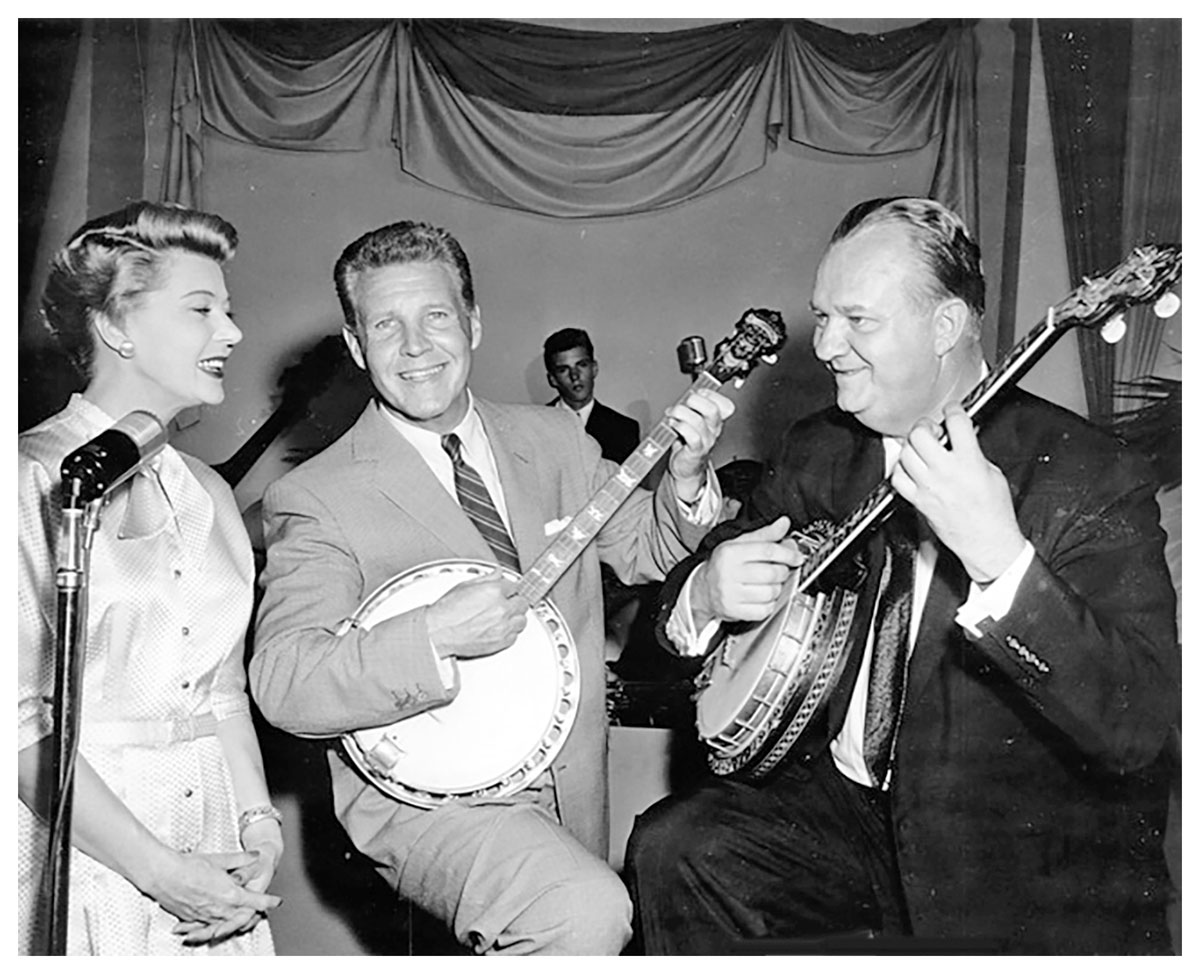
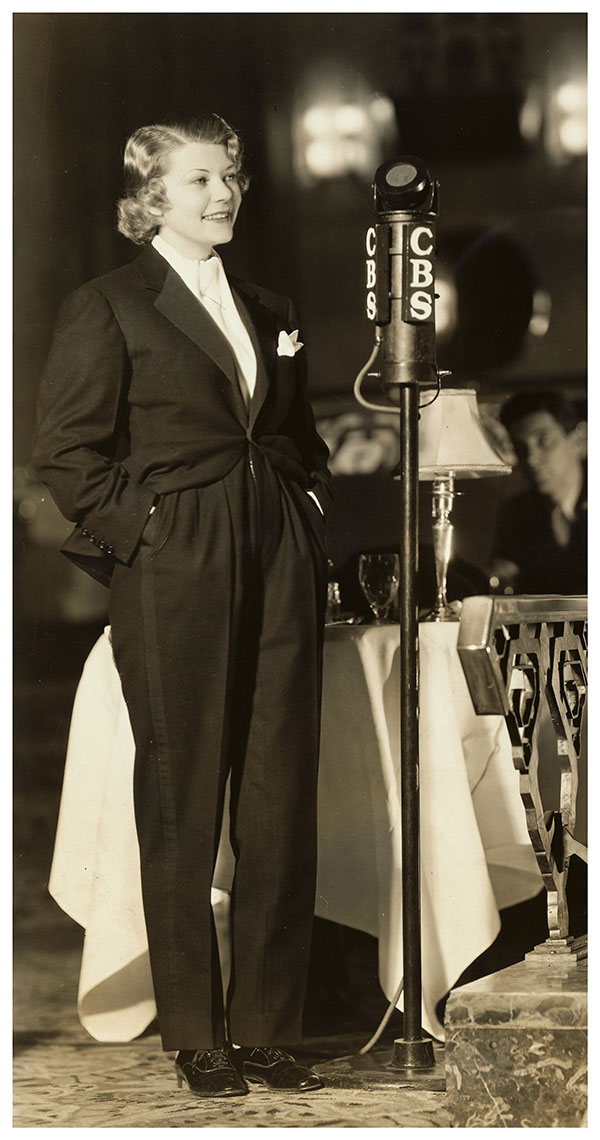
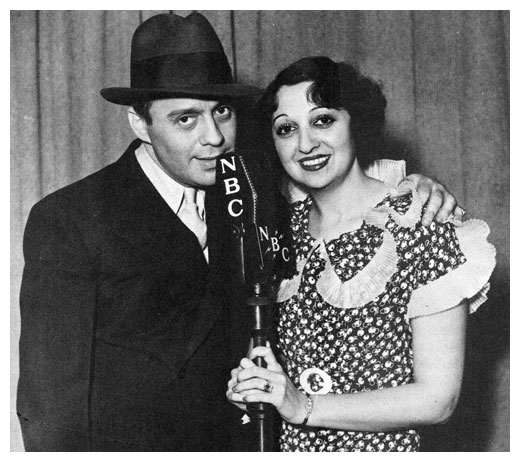
Harriet Nelson (formerly Hilliard; born Peggy Lou Snyder; July 18, 1909–October 2, 1994) was an American actress. Nelson is best known for her role on the sitcom, The Adventures of Ozzie and Harriet. Nelson was born in Des Moines, Iowa, the daughter of Hazel Dell née McNutt (1888–1971) and Roy Hilliard Snyder (1879–1953). She appeared on the vaudeville stage when she was three years old and made her debut on Broadway in her teens.
She frequented the Cotton Club, and began smoking at age thirteen. She wed the comedian Roy Sedley (1901-1989) in 1930. They were briefly married, but Roy was abusive and lived what has been described as “a high-flying life.” They separated a year later, and the marriage was annulled in 1933. She left high school before graduating and joined the Corps de Ballet at the Capitol Theater, later dancing in the Harry Carroll Revue and working as a straight woman for comedians Ken Murray and Bert Lahr. By 1932, she was still performing in vaudeville when she met the saxophone-playing bandleader Ozzie Nelson. Nelson hired her to sing with the band, under the name Harriet Hilliard. They married three years later.
Hilliard had a respectable film career as a solo performer apart from the band. RKO Radio Pictures signed her to a one-year contract in 1936, and she appeared in three feature films, the most famous being the Fred Astaire-Ginger Rogers musical, Follow the Fleet. She was very much in demand during the World War II years for leading roles in escapist musicals, comedies, and mysteries.
In Ozzie Nelson’s book, he wrote that Harriet was quite popular during her short time at RKO. He and she wanted her to continue her solo film career. However, they decided it was more important for her to continue with the band and subsequent radio show.
Although the couple occasionally appeared together in movies, either as a duo (in Honeymoon Lodge) or as separate characters (in Hi, Good Lookin’!), they are best known for their broadcasting efforts. In 1944, the Nelsons began a domestic-comedy series for radio, The Adventures of Ozzie and Harriet. It was highly popular and made a successful transition to television. It was one of the stalwarts of the ABC-TV schedule from 1952 to 1966. The Nelsons’ sons, Ricky and David, were featured continuously on the show. Peter Jones, director of the television documentary Ozzie and Harriet: The Adventures of America’s Favorite Family, described Harriet Nelson: “She was a bombshell. She liked gay people. She liked a good off-color joke. She enjoyed her cocktails at night. She had the talent to go on and be a big star, but she made that decision to be Ozzie’s wife.”
In 1973, Ozzie and Harriet also appeared in the sitcom, Ozzie’s Girls.
In 2009, Harriet was included in Yahoo!’s Top 10 TV Moms from Six Decades of Television for the time period 1952–1966.
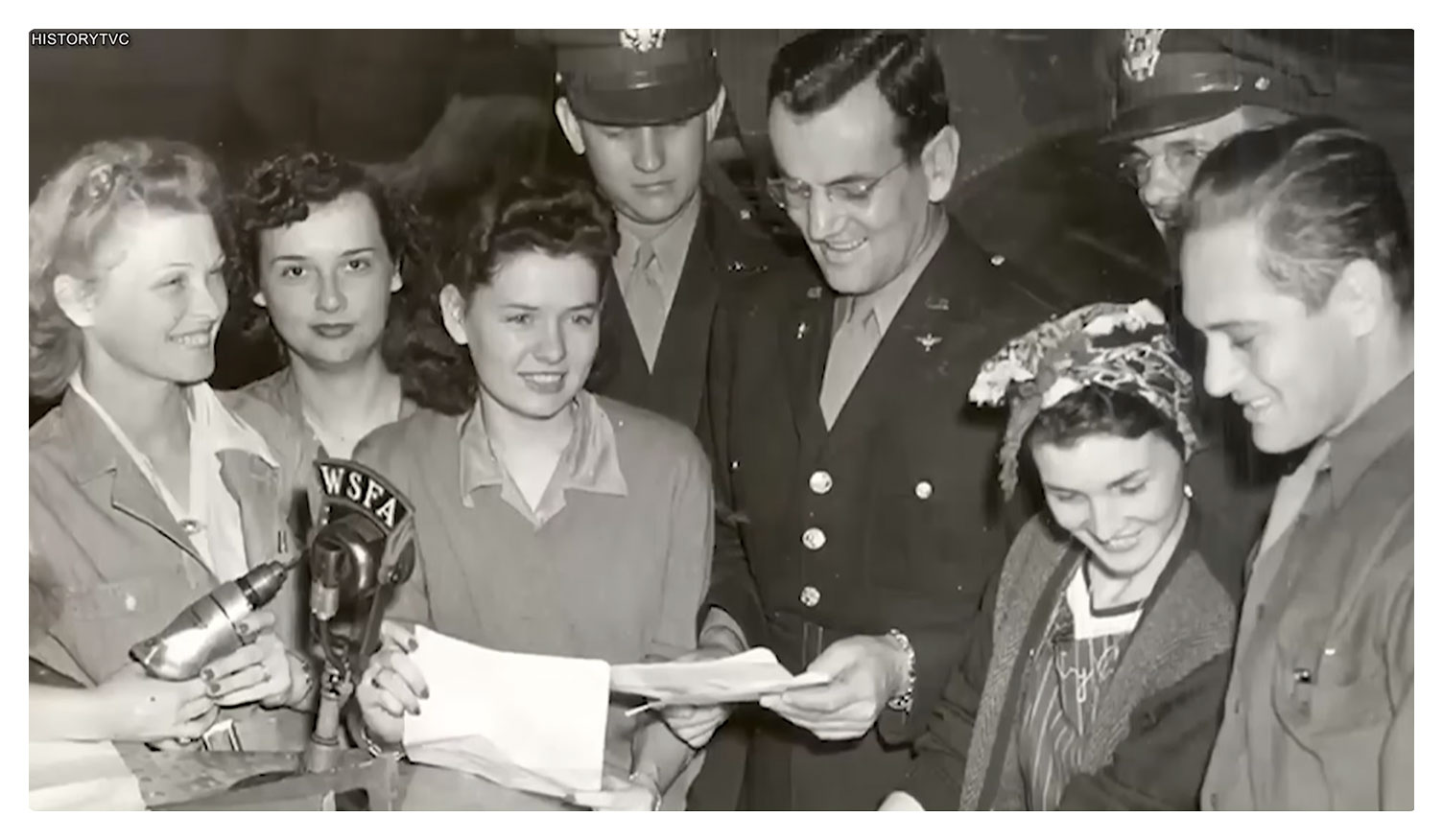
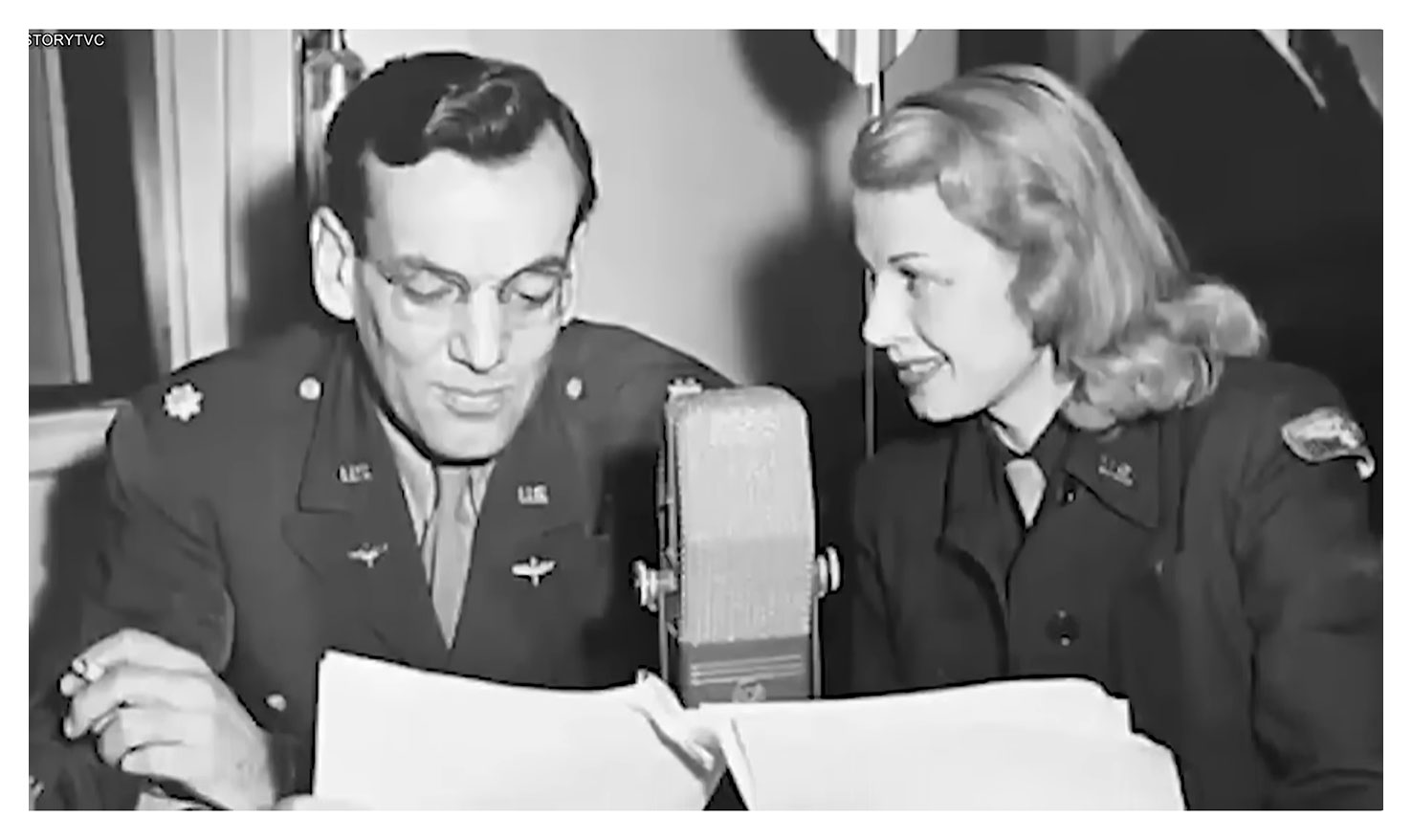
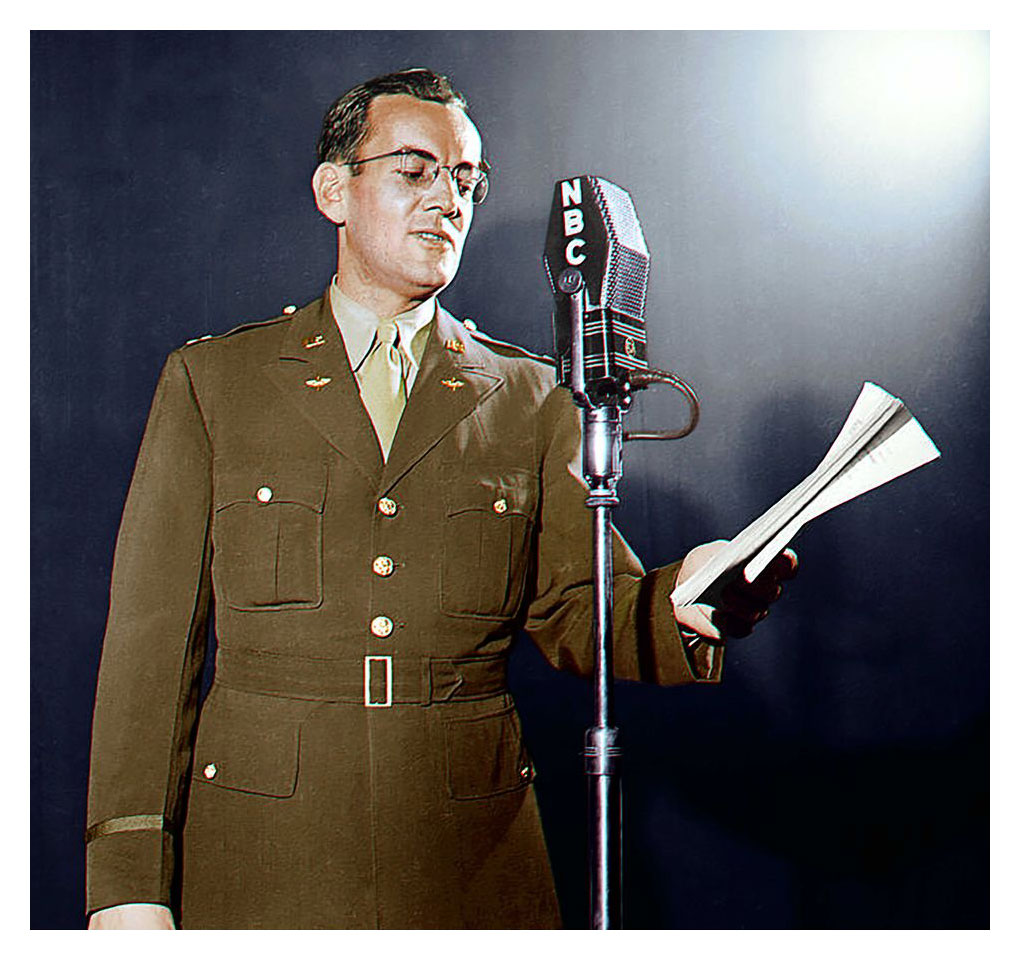
Glenn Miller at WSFA, Montgomery, Alabama performing in an NBC Army Hour broadcast
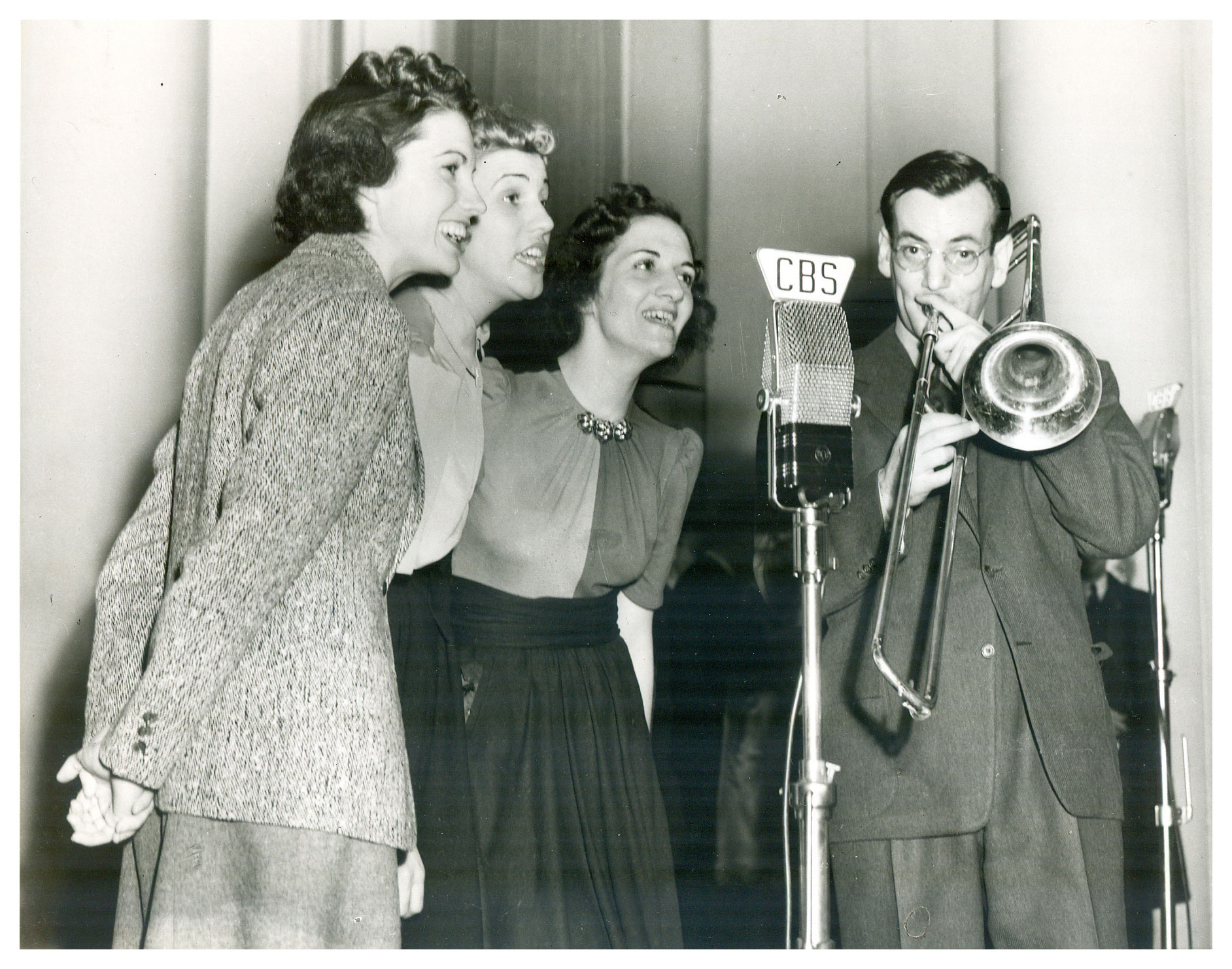
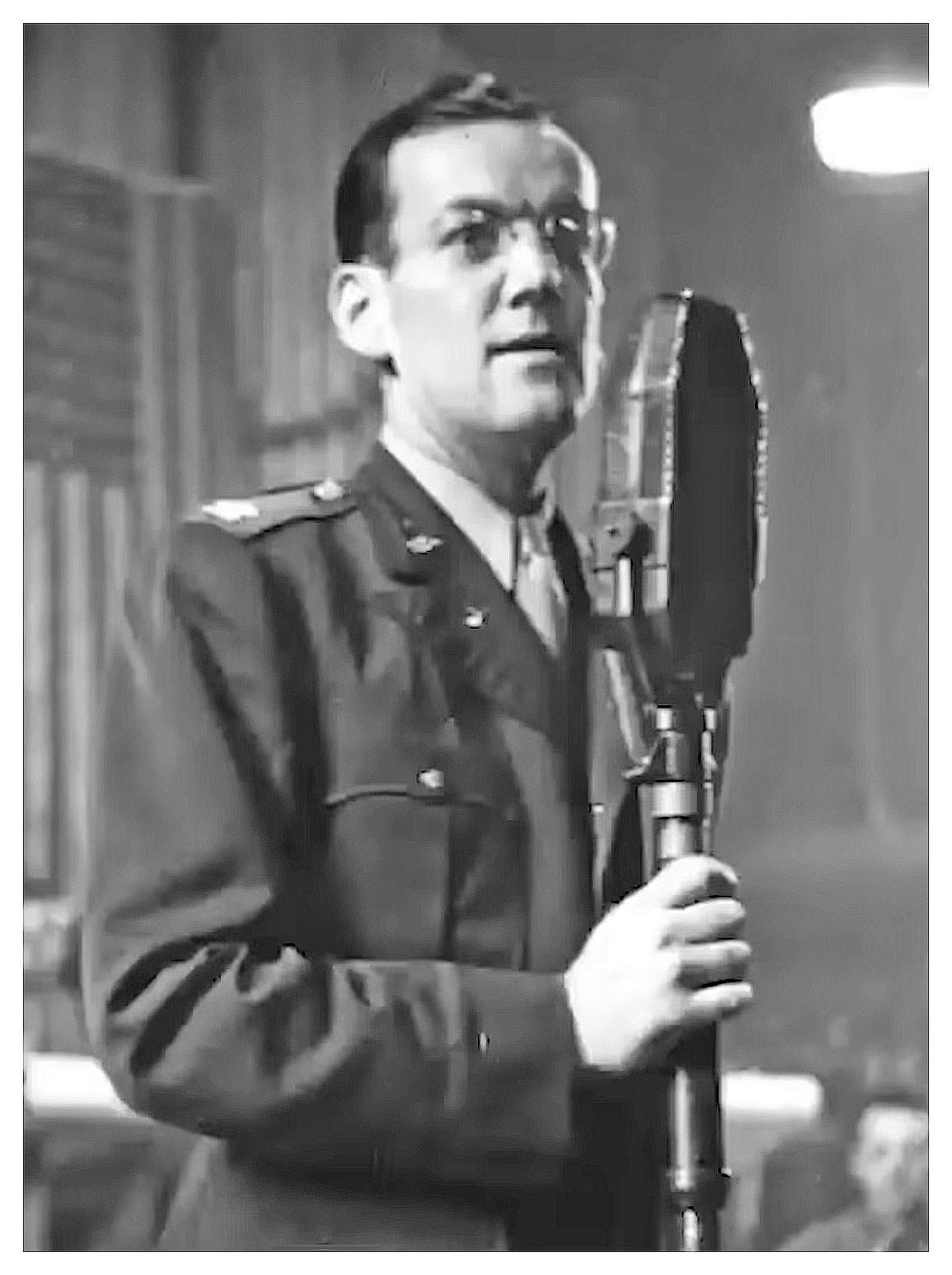
Alton Glen “Glenn” Miller (March 1, 1904–December 15, 1944) was an American big band conductor, arranger, composer, trombonist, and recording artist before and during World War II, when he was a captain in the US Army Air Forces (AAF). His civilian band, Glenn Miller and his Orchestra, was one of the most popular and successful bands of the 20th century and the big-band era.
Glenn Miller and his Orchestra was the best-selling recording band from 1939 to 1942. Unlike his military unit, Miller’s civilian band did not have a string section, but it did have a stand-up bass in the rhythm section. It was also a touring band that played multiple radio broadcasts nearly every day. Its best-selling records include Miller’s theme song, “Moonlight Serenade,” and the first gold record ever made, “Chattanooga Choo Choo,” a song on the soundtrack of Miller’s first film, Sun Valley Serenade, and the number-one song in the United States on December 7, 1941. The following tunes are also on that best-seller list: “In the Mood,” “Pennsylvania 6-5000” (printed as Pennsylvania Six-Five Thousand on record labels), “A String of Pearls,” “Moonlight Cocktail,” “At Last,” “(I’ve Got a Gal In) Kalamazoo,” “American Patrol,” “Tuxedo Junction,” “Elmer’s Tune,” “Little Brown Jug,” and “Anvil Chorus.”
Miller is considered the father of the modern US military bands. In 1942, he volunteered to join the US military. He entertained troops during World War II and ended up in the US Army Air Forces. Their workload was just as heavy as the civilian band’s had been. With a full string section added to a big band, the Major Glenn Miller Army Air Force Orchestra was the forerunner of many US military bands.
Miller went missing in action (MIA) on December 15, 1944, on a flight over the English Channel from England to France. In keeping with standard operating procedures for the US military services, he was officially declared dead a year and a day later. An Army investigation led to an official finding of death (FOD) for Miller, Norman Baessell, and John Morgan, all of whom died on the same flight. All three officers are listed on the Tablets of the Missing at Cambridge American Cemetery and Memorial in Cambridge, England. Since his body was not recoverable, Miller was allowed to have a memorial headstone placed at the US Army-operated Arlington National Cemetery. In February 1945, he was posthumously awarded the Bronze Star Medal. —Wikipedia